



the story
Follow the thread of discovery in real time… See where we’ve been and what story we’ll unravel next.
discover
c.
900 - 1500
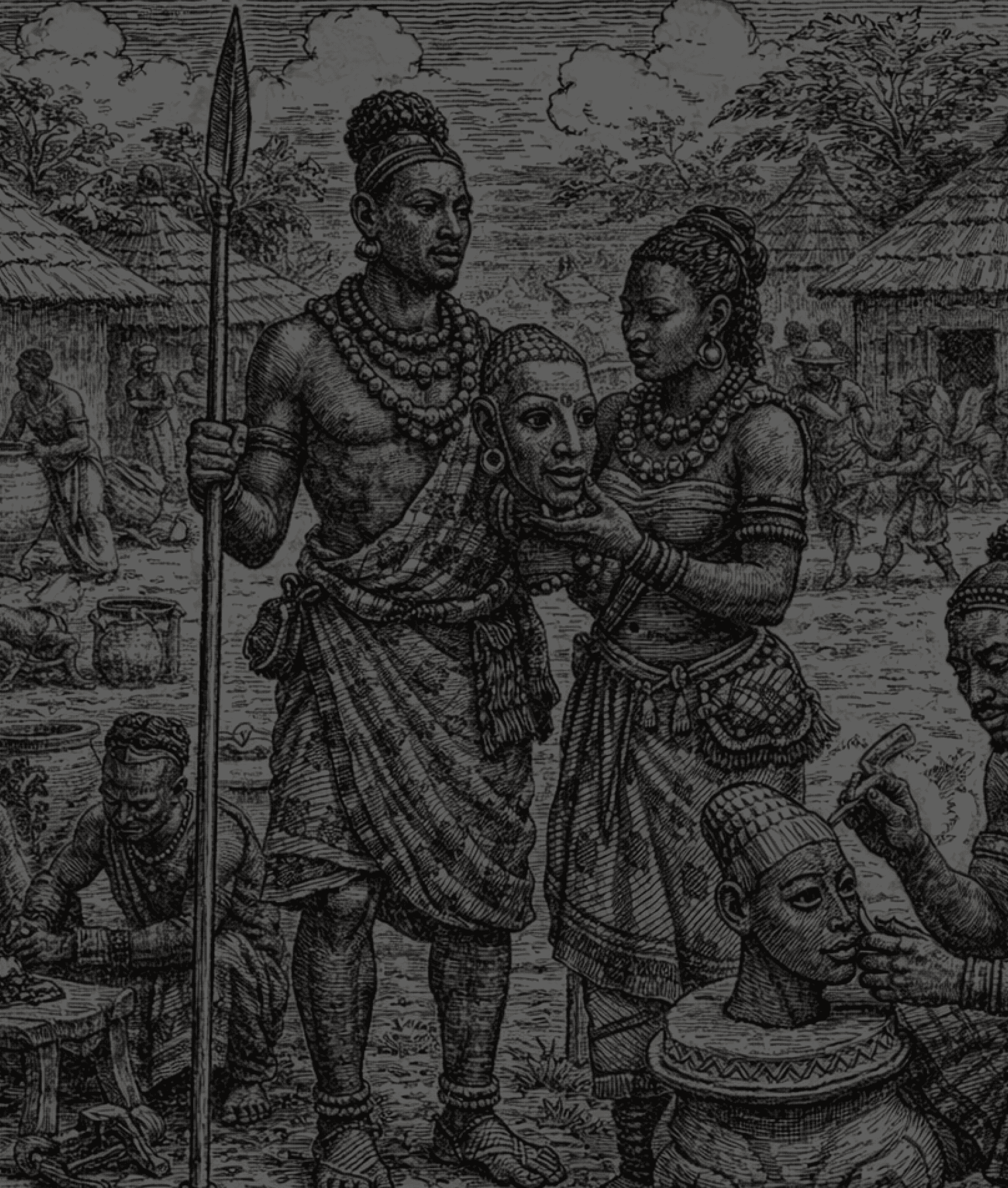
The Nok Civilization flourishes in central Nigeria, known for advanced iron smelting and terracotta sculptures.
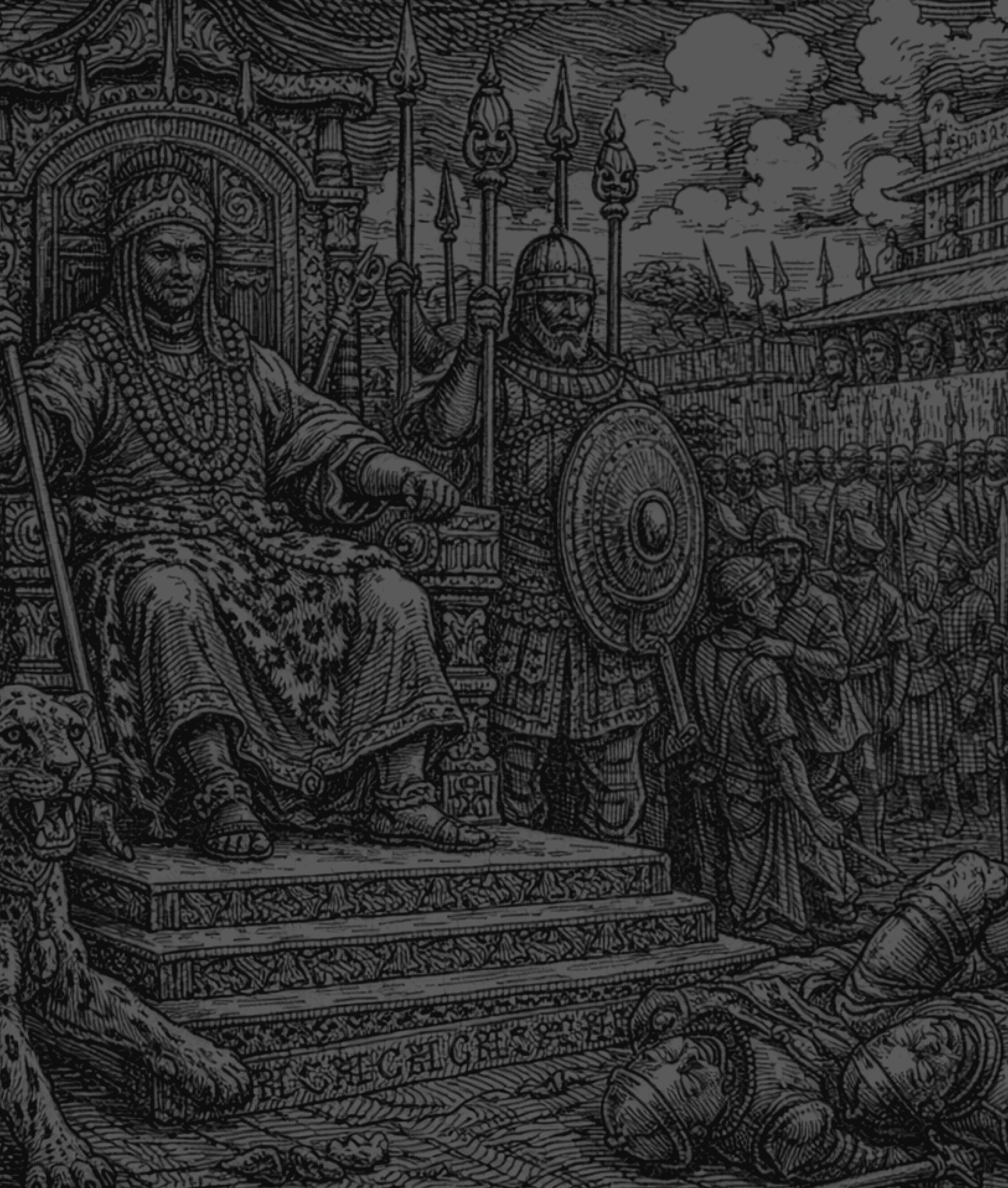
Powerful kingdoms emerge including the Oyo Empire, Benin Kingdom, and Kanem–Bornu Empire.
11TH - 19TH
centuries
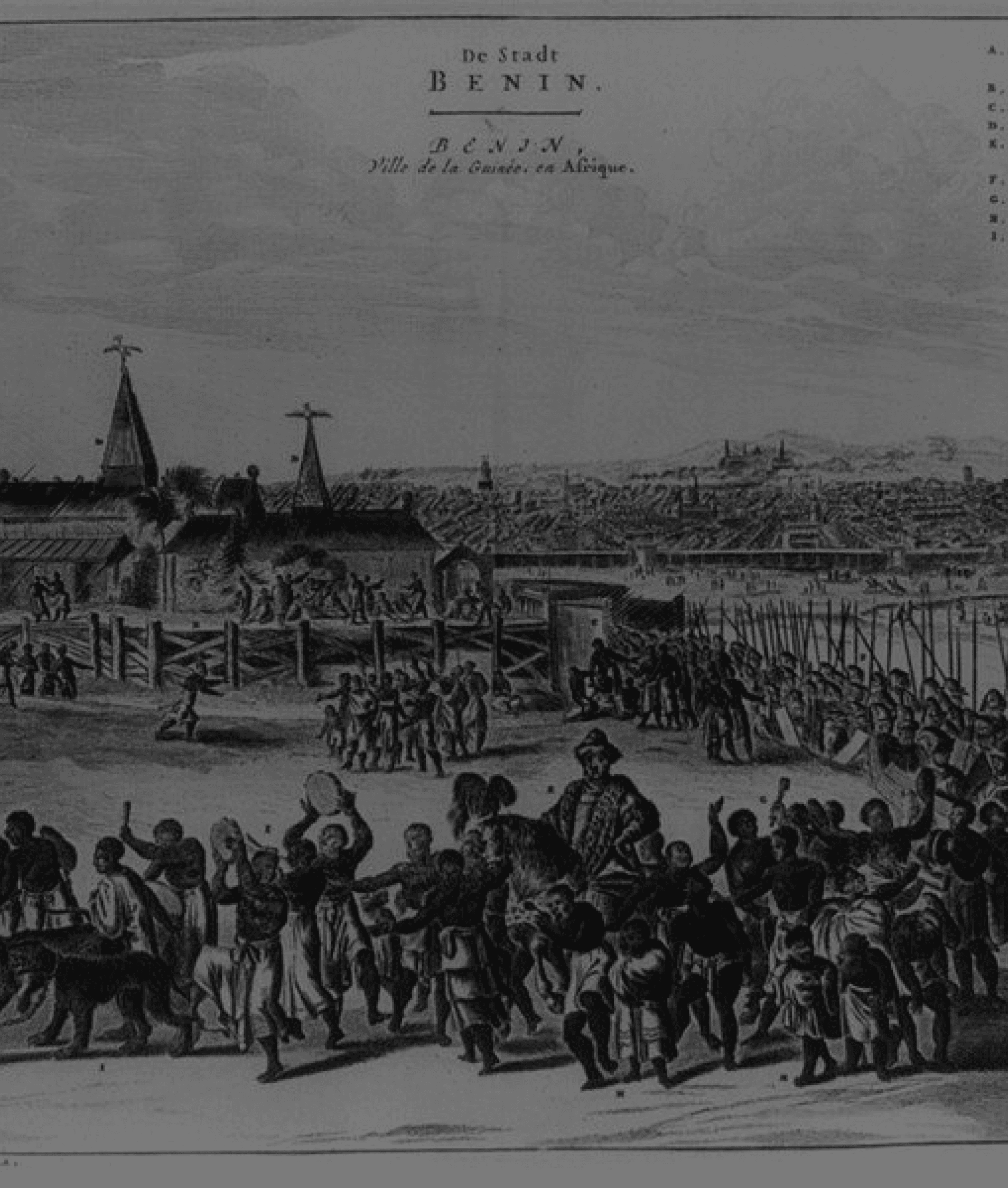
Portuguese traders arrive along the Nigerian coast, initiating European trade contacts.
1472
Pre-Colonial Era
Colonial Formation

1804 - 1808
The Fulani Jihad led by Usman dan Fodio establishes the Sokoto Caliphate, one of the largest empires in West Africa.
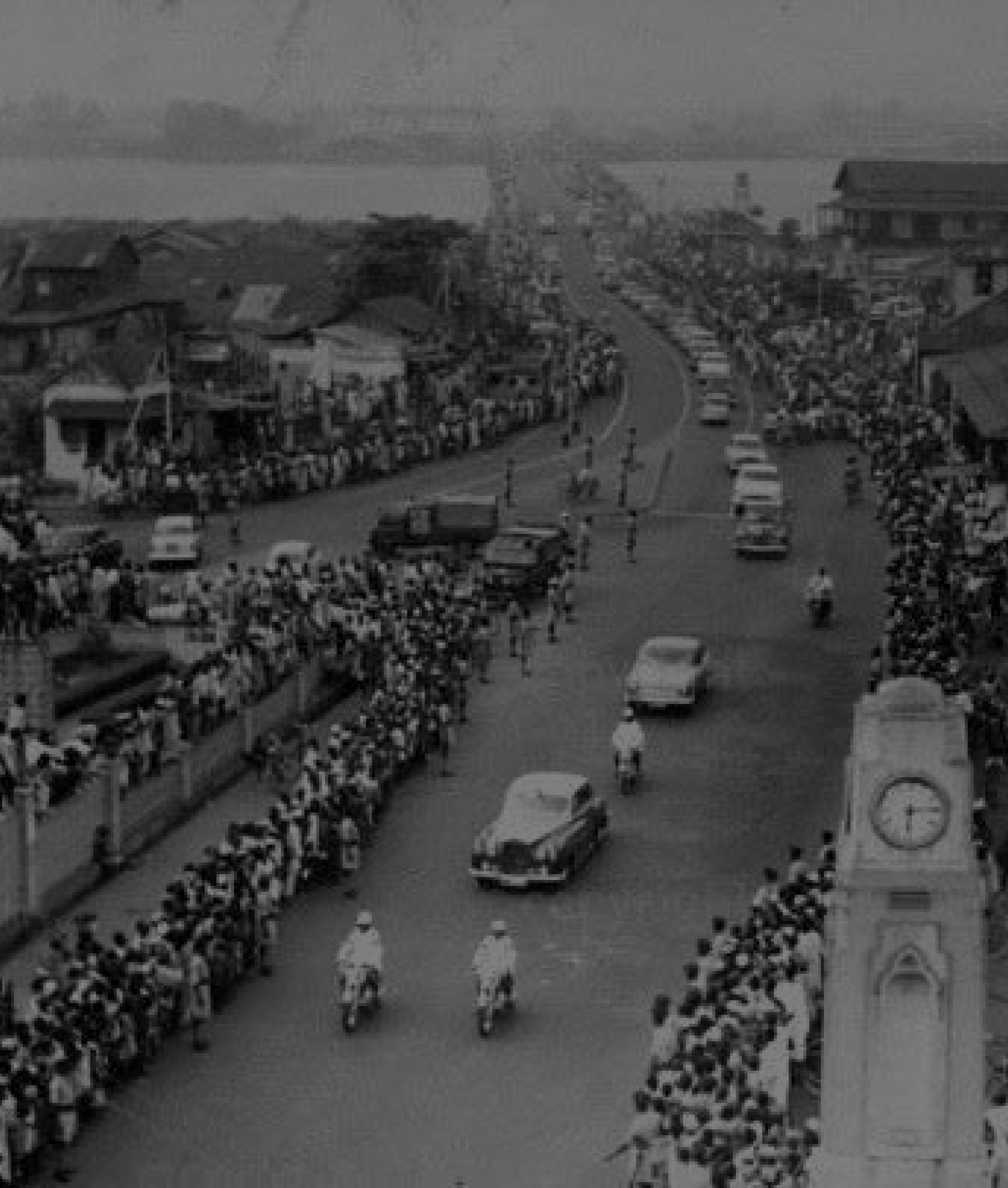
1861
Britain formally annexes Lagos as a colony.
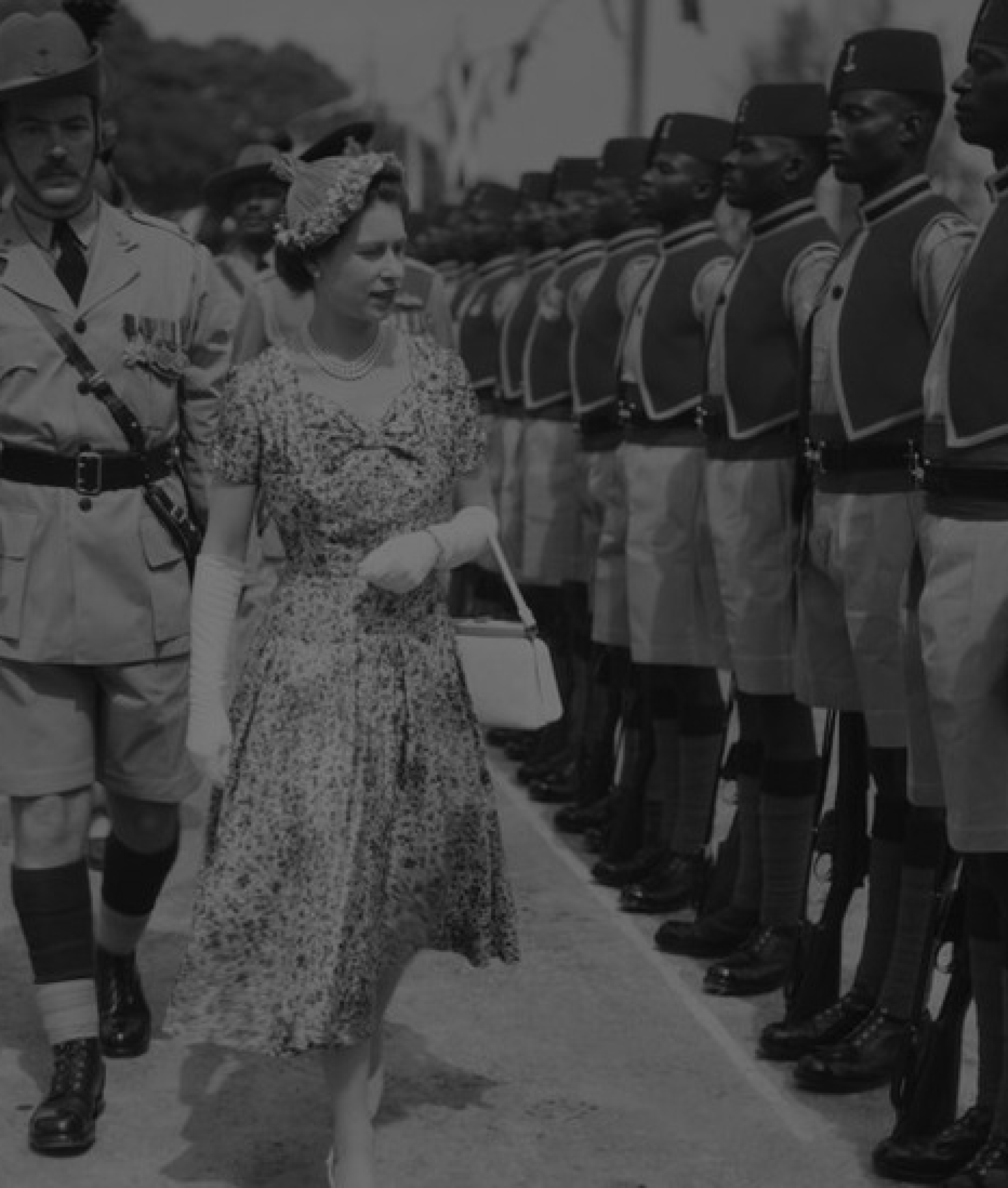
1900
The British consolidate control over Northern and Southern Nigeria as separate protectorates.
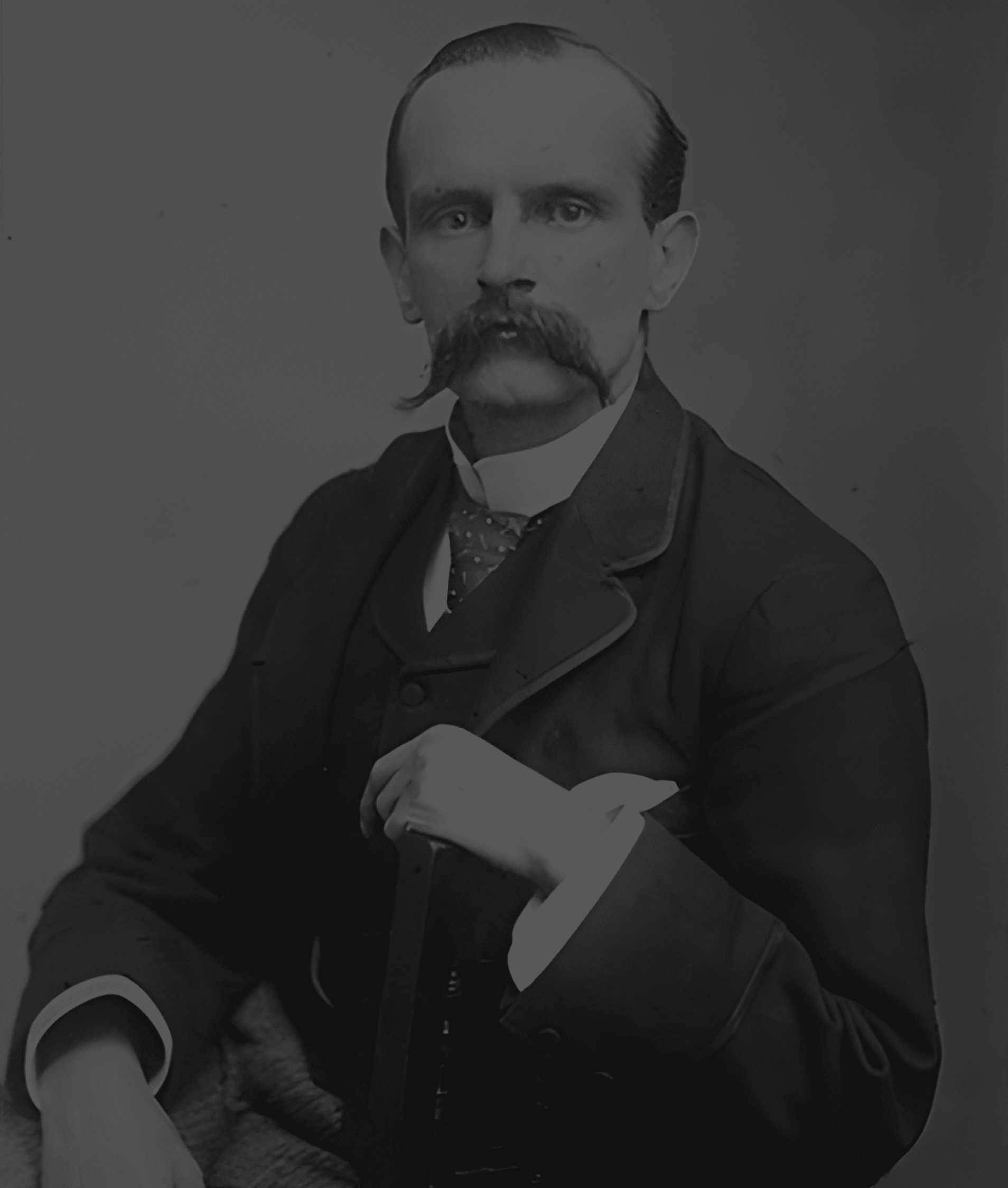
1914
The Amalgamation of Northern and Southern Nigeria by Frederick Lugard creates modern Nigeria.
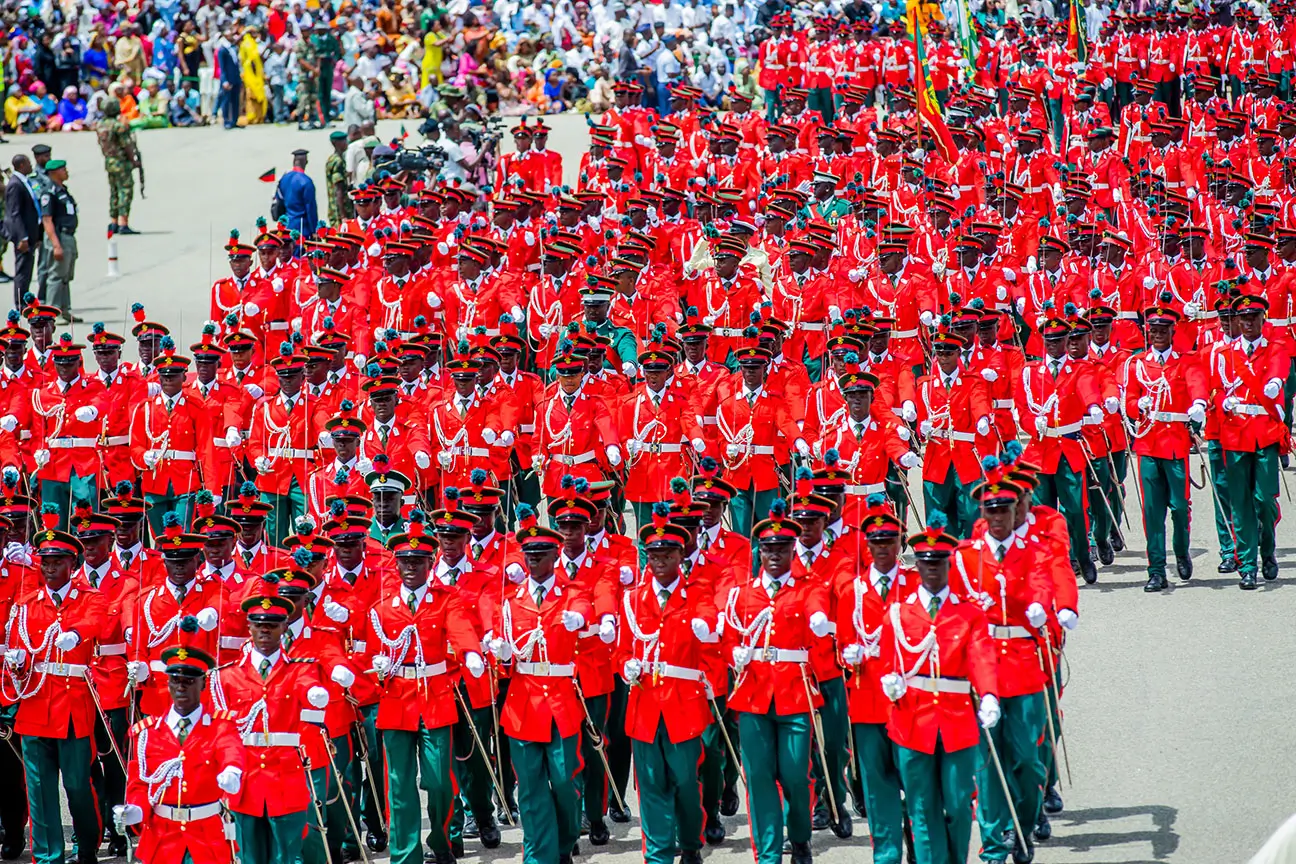
Path to Independence
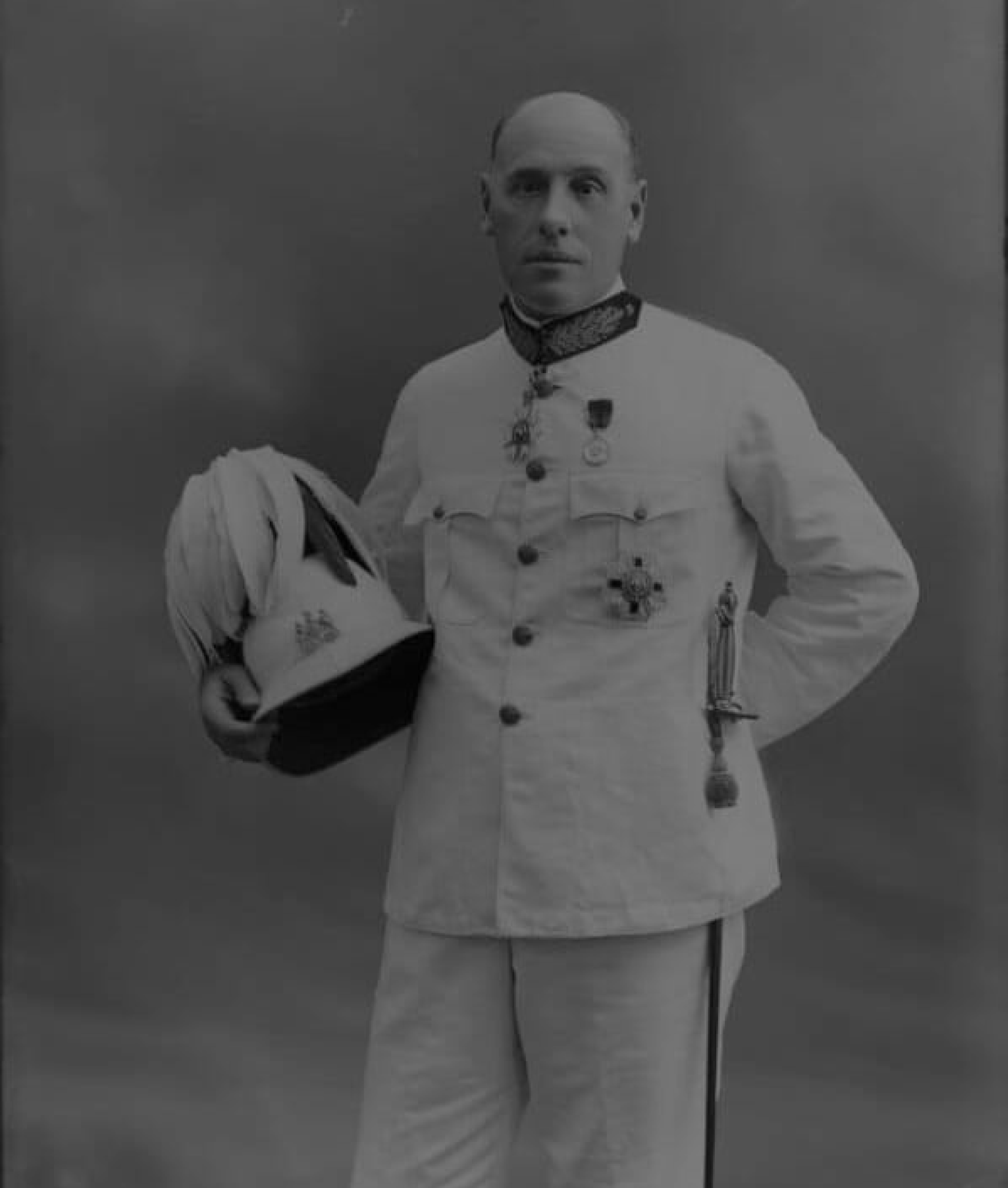
1922
First Nigerian elections are held under the Clifford Constitution.
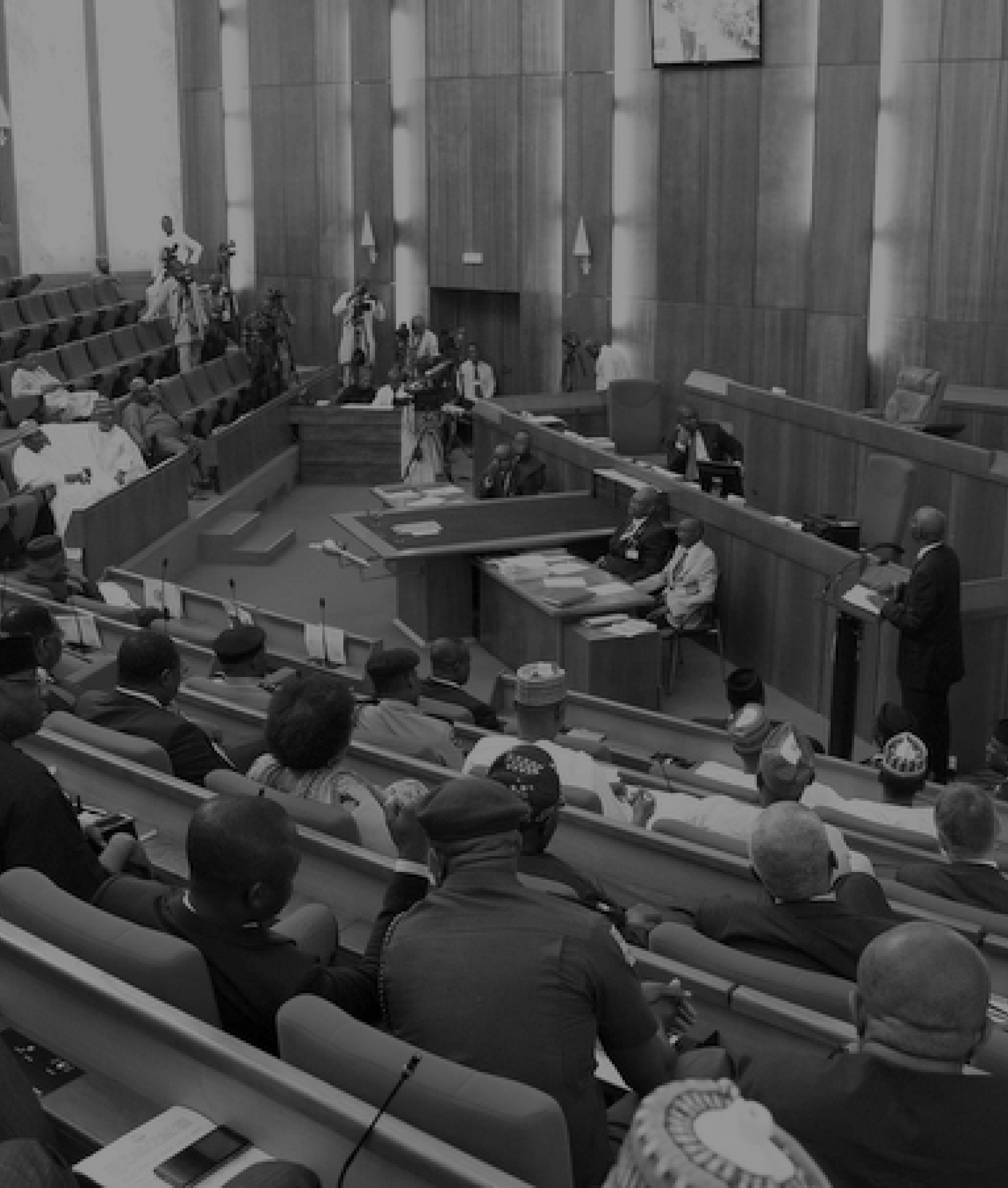
1947-1954
Constitutional reforms expand Nigerian self-governance.

1960(Oct 1)
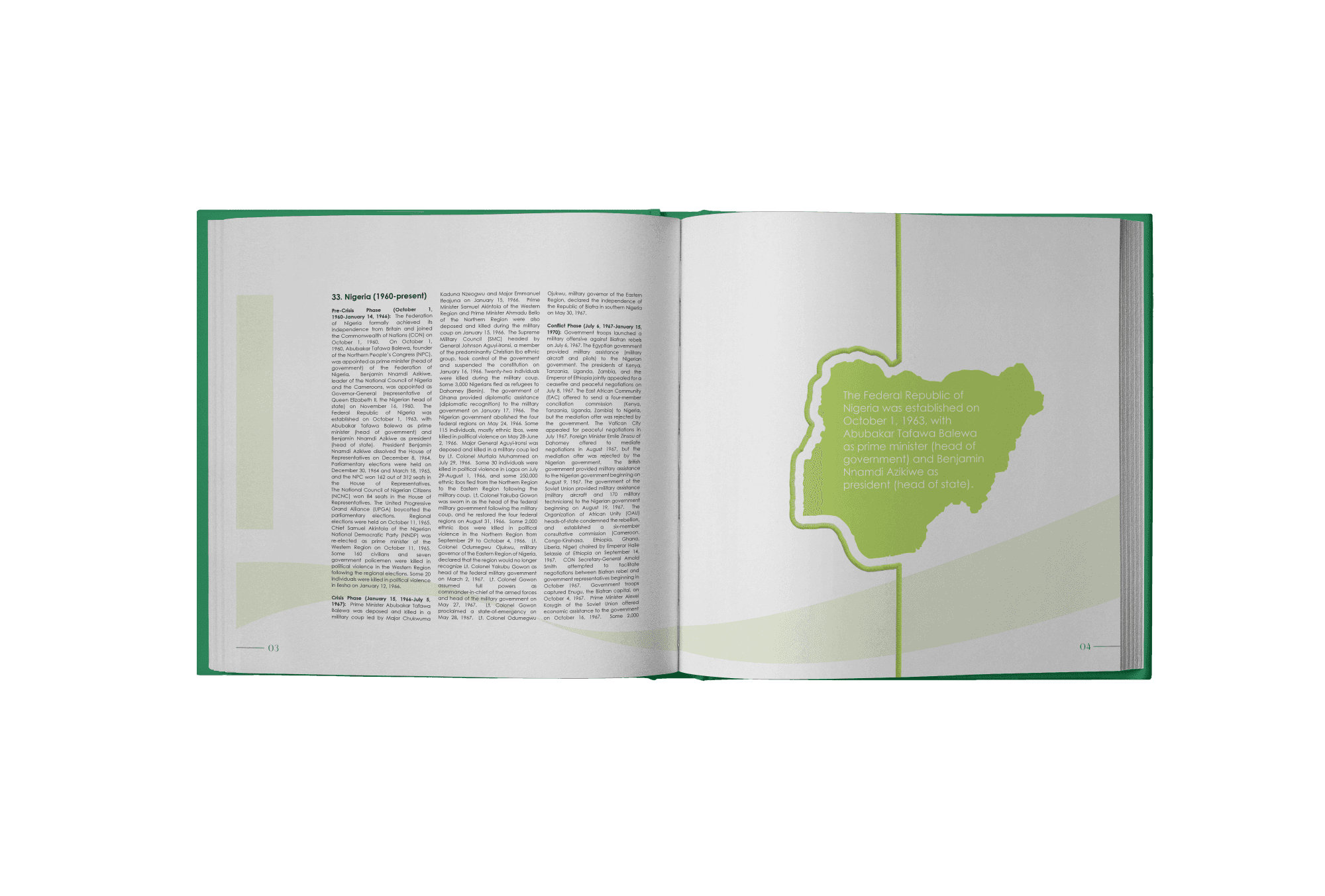
Nigeria gains independence from Britain under Nnamdi Azikiwe as Governor-General and Abubakar Tafawa Balewa as Prime Minister.

1963
Nigeria becomes a republic with Nnamdi Azikiwe as its first President.

Military Era and Civil War
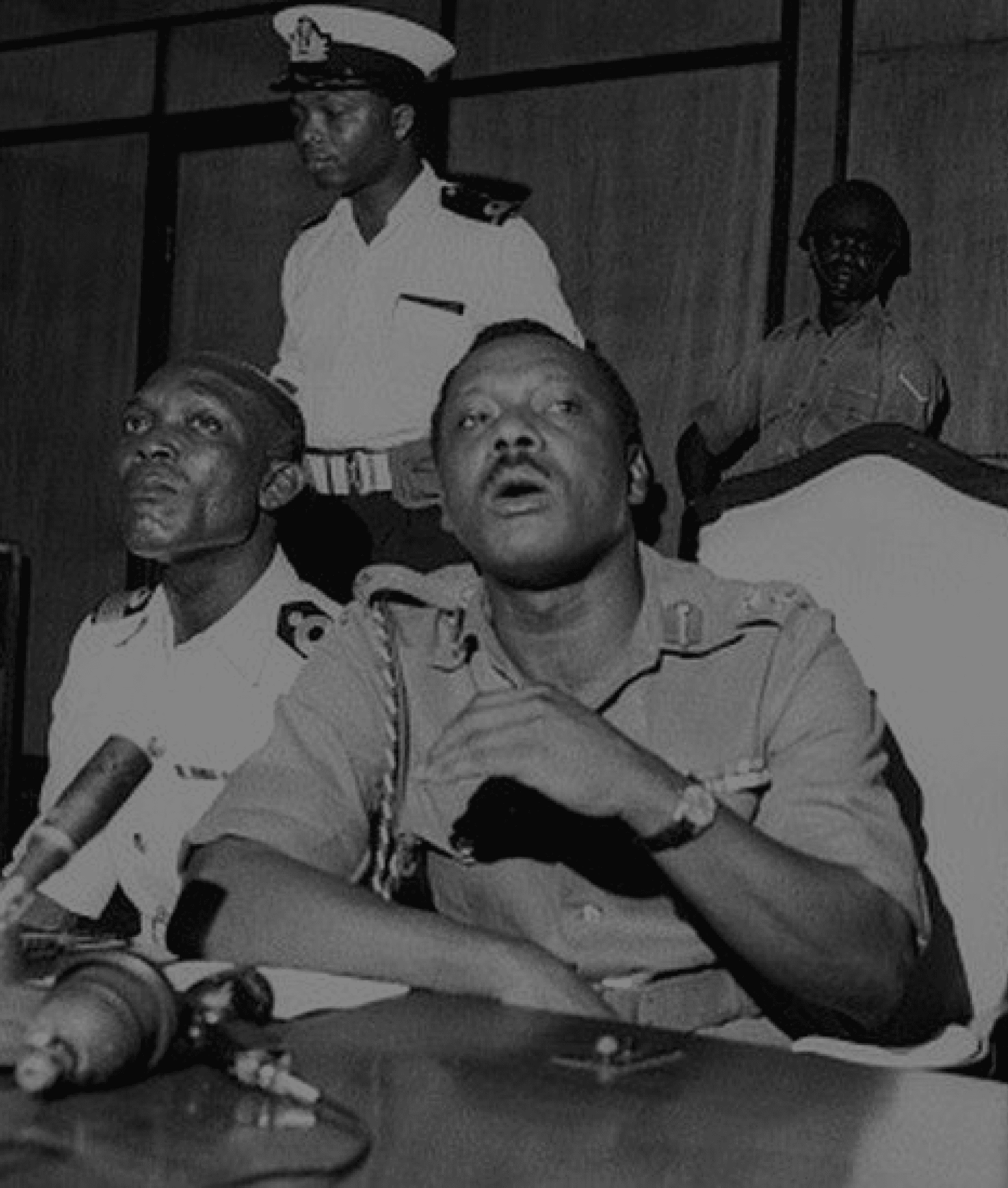
1966
Nigeria experiences its first military coup, followed by a counter-coup later that year.
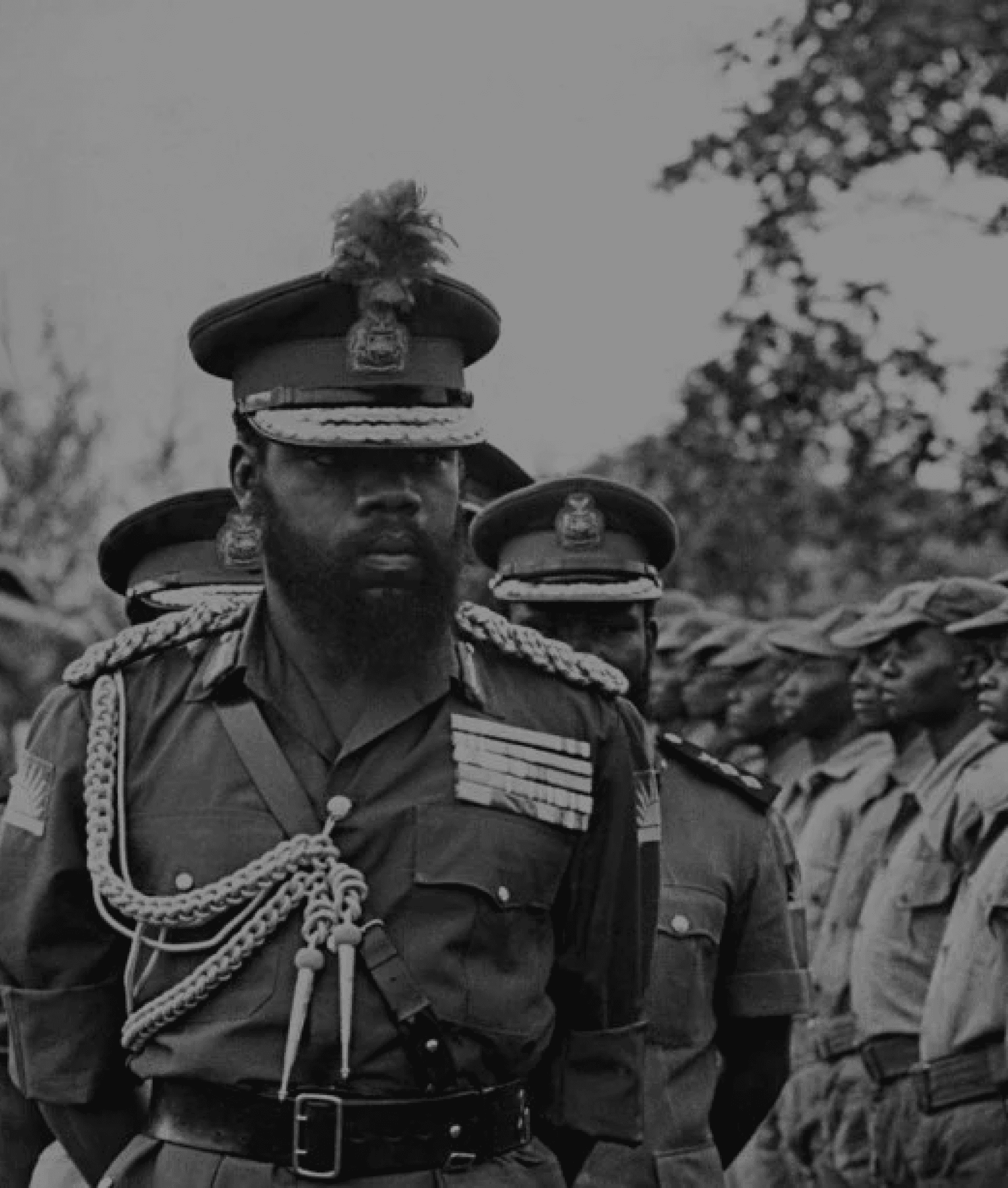
1967-1970
The Nigerian Civil War (Biafran War) takes place after the attempted secession of Republic of Biafra.
1975-1979
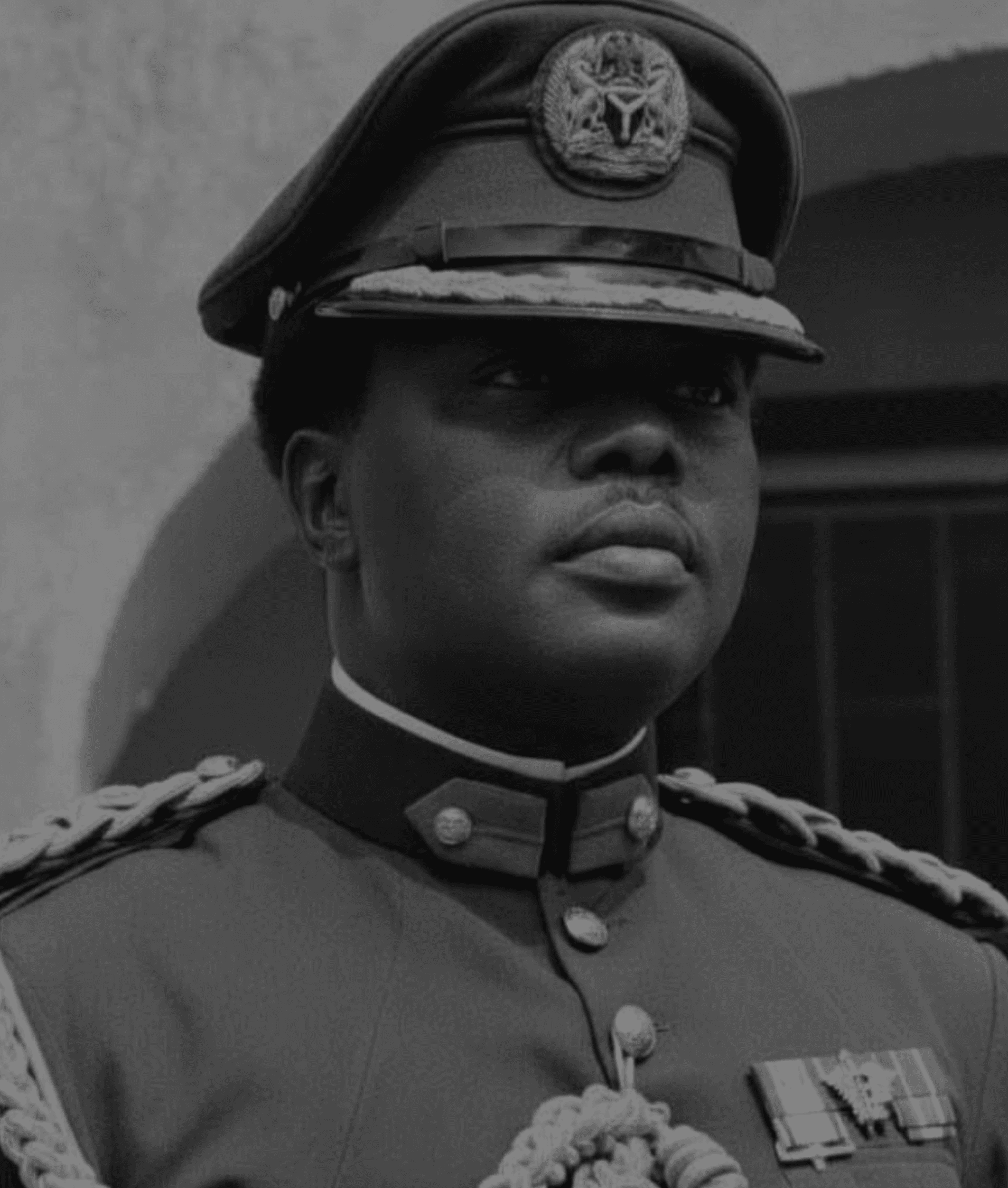
Military leadership under Murtala Mohammed and Olusegun Obasanjo initiates reforms and prepares the country for civilian rule.
Democratic Experiments
1979
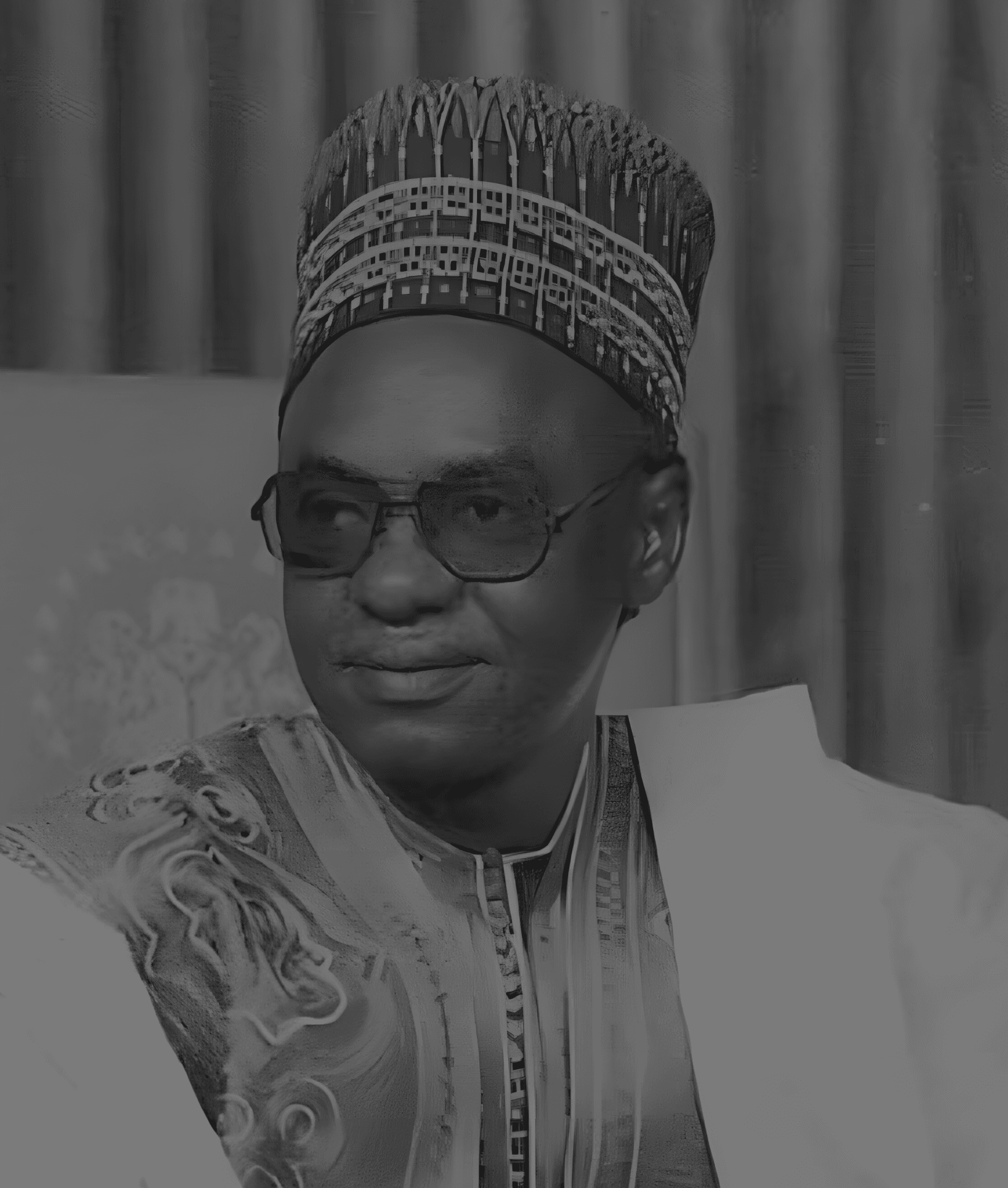
Nigeria returns to civilian rule with Shehu Shagari as President in the Second Republic.
1983
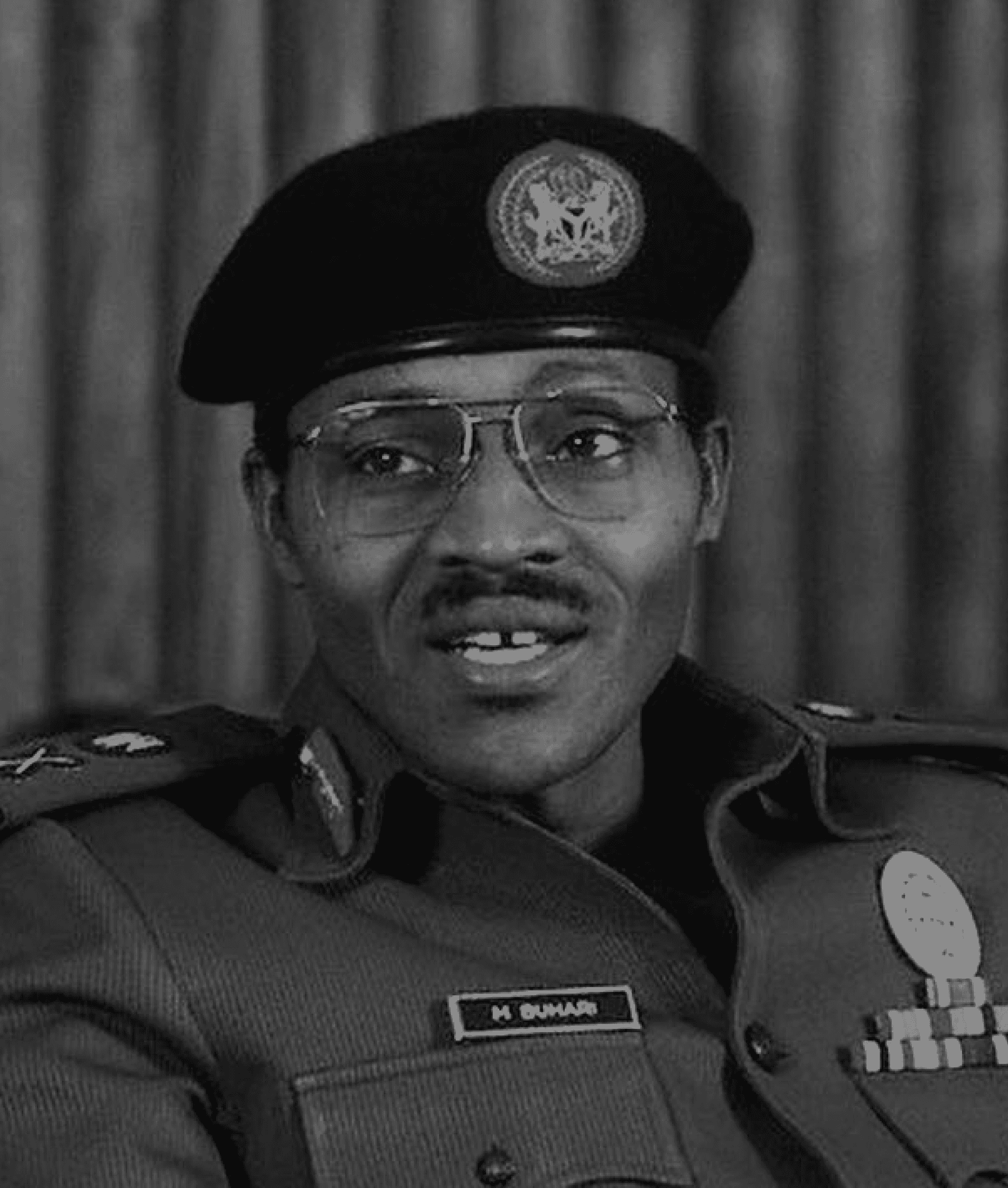
Another military coup brings Muhammadu Buhari to power.

1985
Ibrahim Babangida takes control in a palace coup.
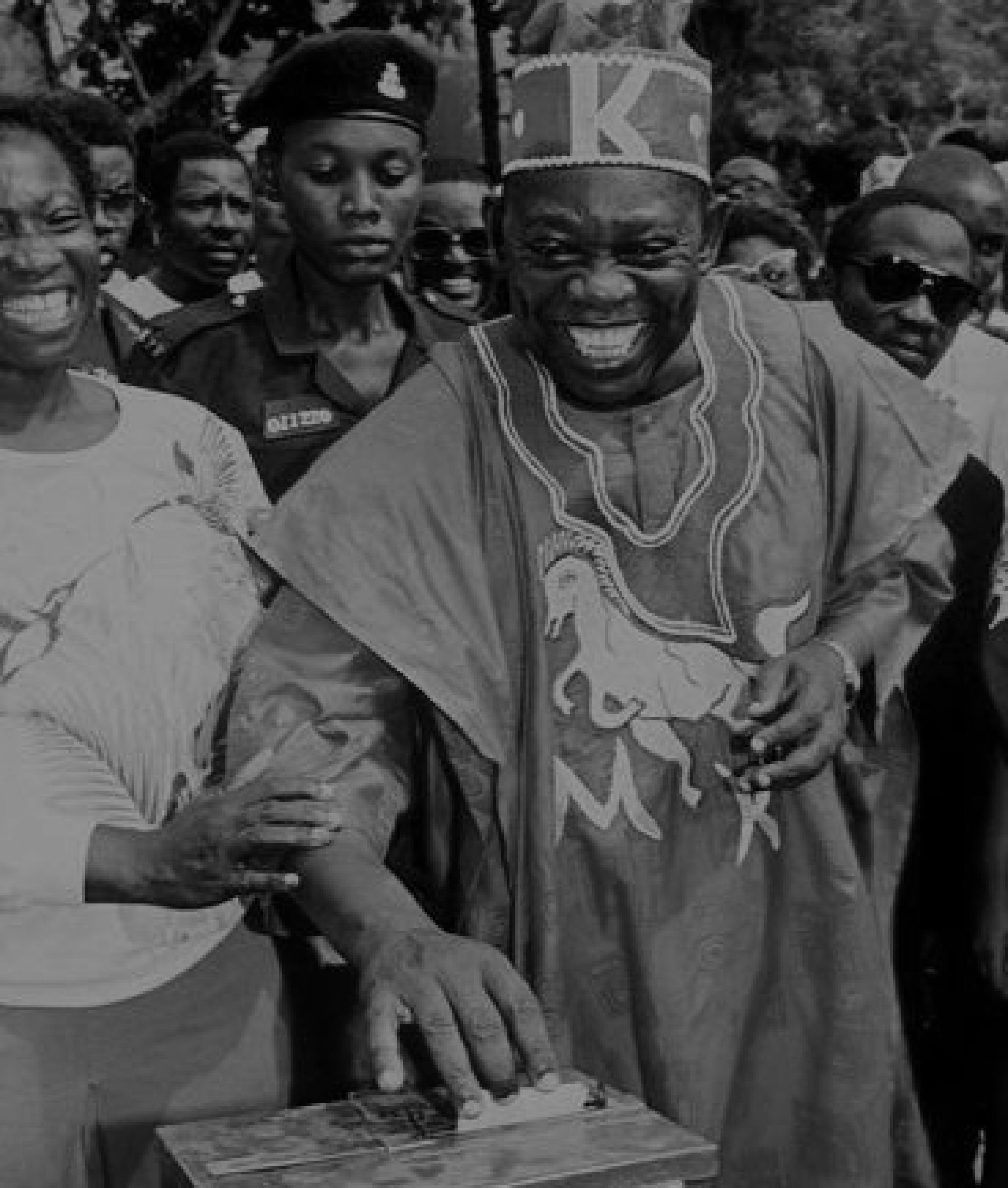
1993
The widely regarded free election won by Moshood Kashimawo Olawale Abiola is annulled.

Return to Democracy
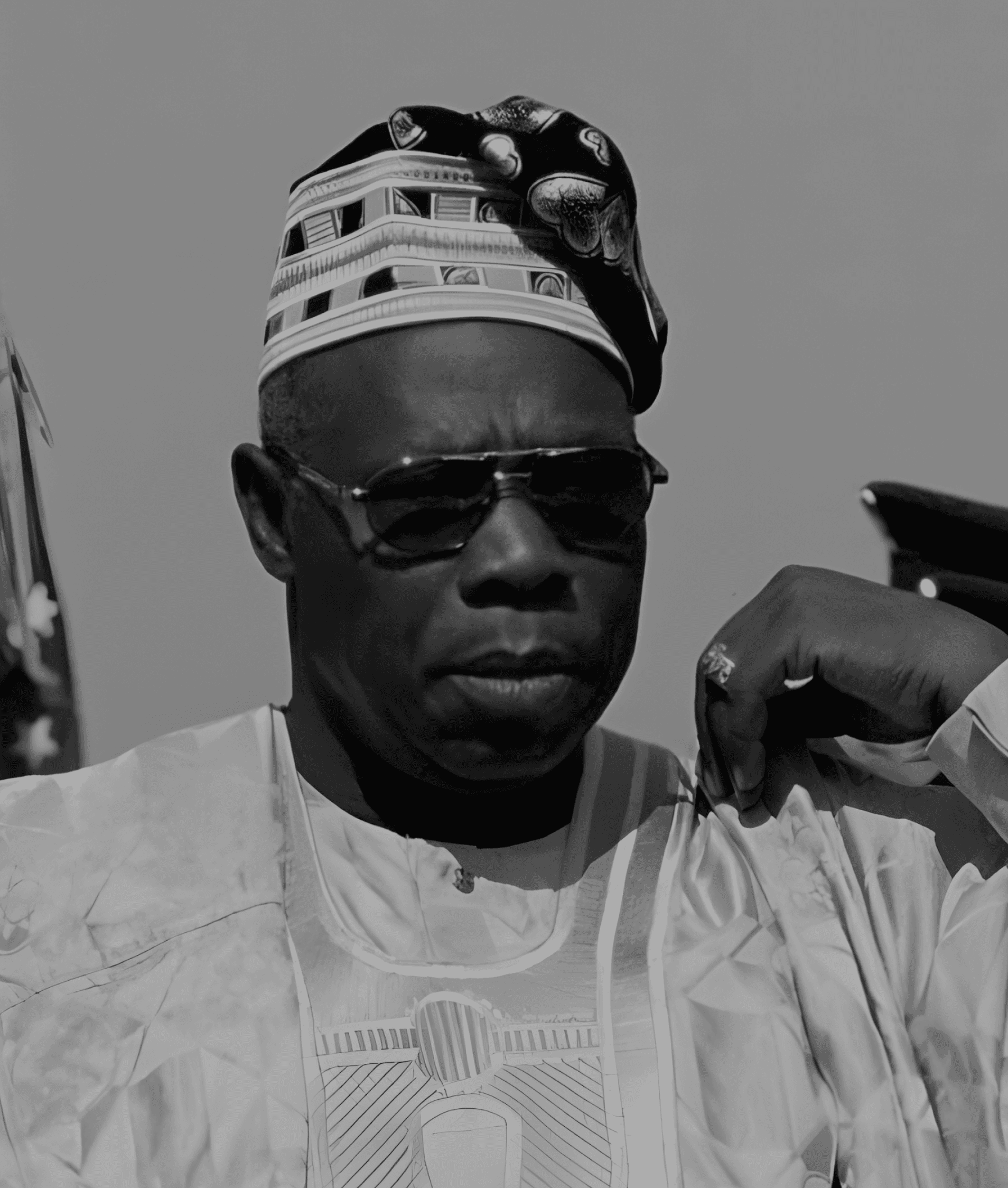
1999
Nigeria returns to democratic rule with Olusegun Obasanjo elected President, marking the beginning of the Fourth Republic.
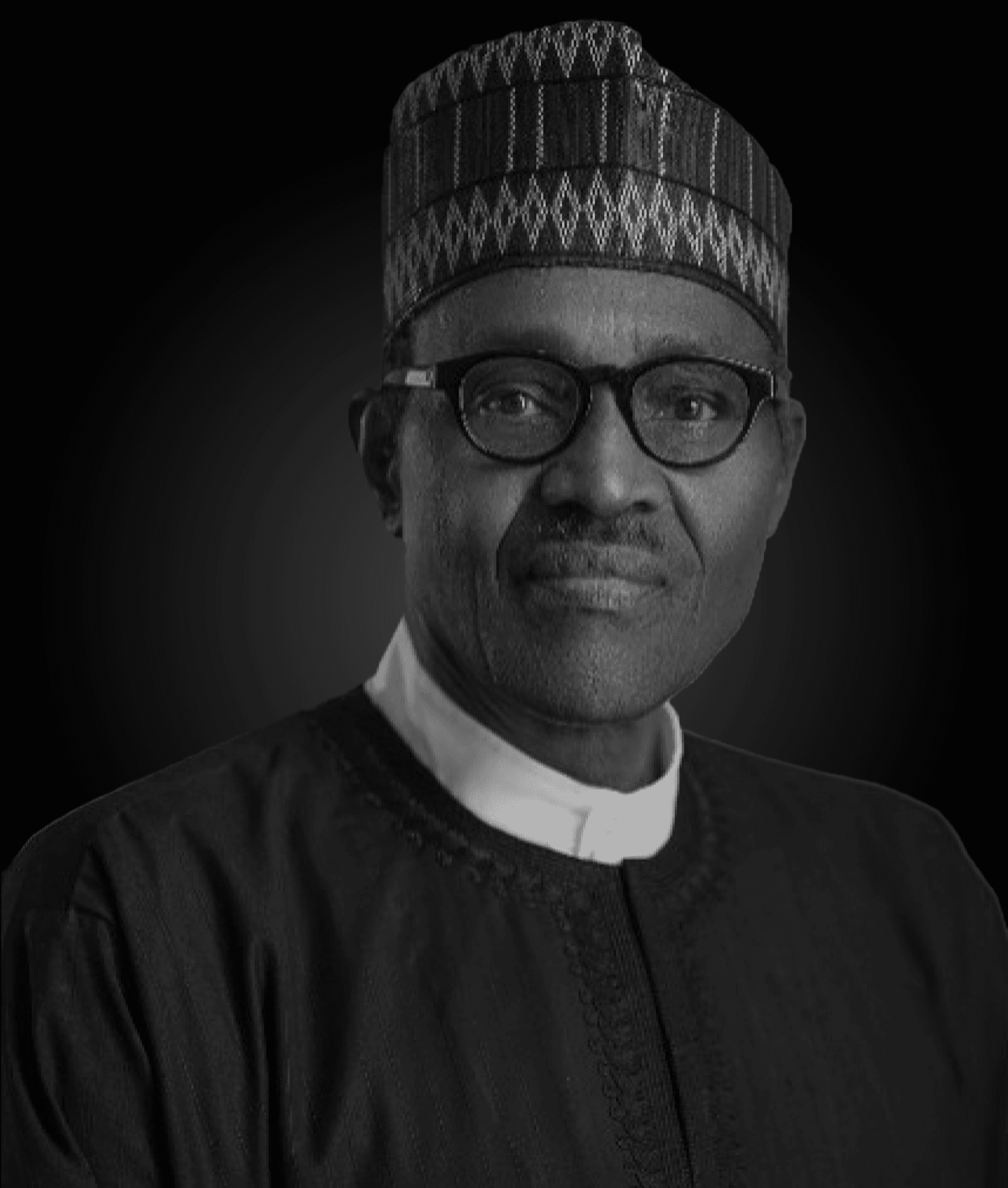
2015
Muhammadu Buhari becomes the first opposition candidate to defeat an incumbent president in Nigerian history.

2023
Bola Ahmed Tinubu is elected President of Nigeria.
the story
Follow the thread of discovery in real time… See where we’ve been and what story we’ll unravel next.
discover
c.
900 - 1500
The Nok Civilization flourishes in central Nigeria, known for advanced iron smelting and terracotta sculptures.
Powerful kingdoms emerge including the Oyo Empire, Benin Kingdom, and Kanem–Bornu Empire.
11TH - 19TH
centuries
Portuguese traders arrive along the Nigerian coast, initiating European trade contacts.
1472
Pre-Colonial Era
Colonial Formation
1804 - 1808
The Fulani Jihad led by Usman dan Fodio establishes the Sokoto Caliphate, one of the largest empires in West Africa.
1861
Britain formally annexes Lagos as a colony.
1900
The British consolidate control over Northern and Southern Nigeria as separate protectorates.
1914
The Amalgamation of Northern and Southern Nigeria by Frederick Lugard creates modern Nigeria.
Path to Independence
1922
First Nigerian elections are held under the Clifford Constitution.
1947-1954
Constitutional reforms expand Nigerian self-governance.
1960(Oct 1)
Nigeria gains independence from Britain under Nnamdi Azikiwe as Governor-General and Abubakar Tafawa Balewa as Prime Minister.
1963
Nigeria becomes a republic with Nnamdi Azikiwe as its first President.
Military Era and Civil War
1966
Nigeria experiences its first military coup, followed by a counter-coup later that year.
1967-1970
The Nigerian Civil War (Biafran War) takes place after the attempted secession of Republic of Biafra.
1975-1979
Military leadership under Murtala Mohammed and Olusegun Obasanjo initiates reforms and prepares the country for civilian rule.
Democratic Experiments
1979
Nigeria returns to civilian rule with Shehu Shagari as President in the Second Republic.
1983
Another military coup brings Muhammadu Buhari to power.
1985
Ibrahim Babangida takes control in a palace coup.
1993
The widely regarded free election won by Moshood Kashimawo Olawale Abiola is annulled.
Return to Democracy
1999
Nigeria returns to democratic rule with Olusegun Obasanjo elected President, marking the beginning of the Fourth Republic.
2015
Muhammadu Buhari becomes the first opposition candidate to defeat an incumbent president in Nigerian history.
2023
Bola Ahmed Tinubu is elected President of Nigeria.
the story
the story
Follow the thread of discovery in real time… See where we’ve been and what story we’ll unravel next.
Follow the thread of discovery in real time… See where we’ve been and what story we’ll unravel next.
discover
discover
c.
c.
900 - 1500
900 - 1500
The Nok Civilization flourishes in central Nigeria, known for advanced iron smelting and terracotta sculptures.
The Nok Civilization flourishes in central Nigeria, known for advanced iron smelting and terracotta sculptures.
centuries
centuries
11TH - 19TH
11TH - 19TH
Powerful kingdoms emerge including the Oyo Empire, Benin Kingdom, and Kanem–Bornu Empire.
Powerful kingdoms emerge including the Oyo Empire, Benin Kingdom, and Kanem–Bornu Empire.
1472
1472
Portuguese traders arrive along the Nigerian coast, initiating European trade contacts.
Portuguese traders arrive along the Nigerian coast, initiating European trade contacts.
Pre-Colonial Era
Pre-Colonial Era
Colonial Formation
Colonial Formation
1804 - 1808
1804 - 1808
The Fulani Jihad led by Usman dan Fodio establishes the Sokoto Caliphate, one of the largest empires in West Africa.
The Fulani Jihad led by Usman dan Fodio establishes the Sokoto Caliphate, one of the largest empires in West Africa.
1861
1861
Britain formally annexes Lagos as a colony.
Britain formally annexes Lagos as a colony.
1900
1900
The British consolidate control over Northern and Southern Nigeria as separate protectorates.
The British consolidate control over Northern and Southern Nigeria as separate protectorates.
1914
1914
The Amalgamation of Northern and Southern Nigeria by Frederick Lugard creates modern Nigeria.
The Amalgamation of Northern and Southern Nigeria by Frederick Lugard creates modern Nigeria.
Path to Independence
Path to Independence
1922
1922
First Nigerian elections are held under the Clifford Constitution.
1947-1954
1947-1954
Constitutional reforms expand Nigerian self-governance.
1960(Oct 1)
1960(Oct 1)
Nigeria gains independence from Britain under Nnamdi Azikiwe as Governor-General and Abubakar Tafawa Balewa as Prime Minister.
1963
1963
Nigeria becomes a republic with Nnamdi Azikiwe as its first President.
Military Era and Civil War
Military Era and Civil War
1966
1966
Nigeria experiences its first military coup, followed by a counter-coup later that year.
1967-1970
1967-1970
The Nigerian Civil War (Biafran War) takes place after the attempted secession of Republic of Biafra.
1975-1979
1975-1979
Military leadership under Murtala Mohammed and Olusegun Obasanjo initiates reforms and prepares the country for civilian rule.
Democratic Experiments
Democratic Experiments
1979
Nigeria returns to civilian rule with Shehu Shagari as President in the Second Republic.
1983
Another military coup brings Muhammadu Buhari to power.
1985
Ibrahim Babangida takes control in a palace coup.
1993
The widely regarded free election won by Moshood Kashimawo Olawale Abiola is annulled.
Return to Democracy
Return to Democracy
1999
Nigeria returns to democratic rule with Olusegun Obasanjo elected President, marking the beginning of the Fourth Republic.
2015
Muhammadu Buhari becomes the first opposition candidate to defeat an incumbent president in Nigerian history.
2023
Bola Ahmed Tinubu is elected President of Nigeria.